
Materials used
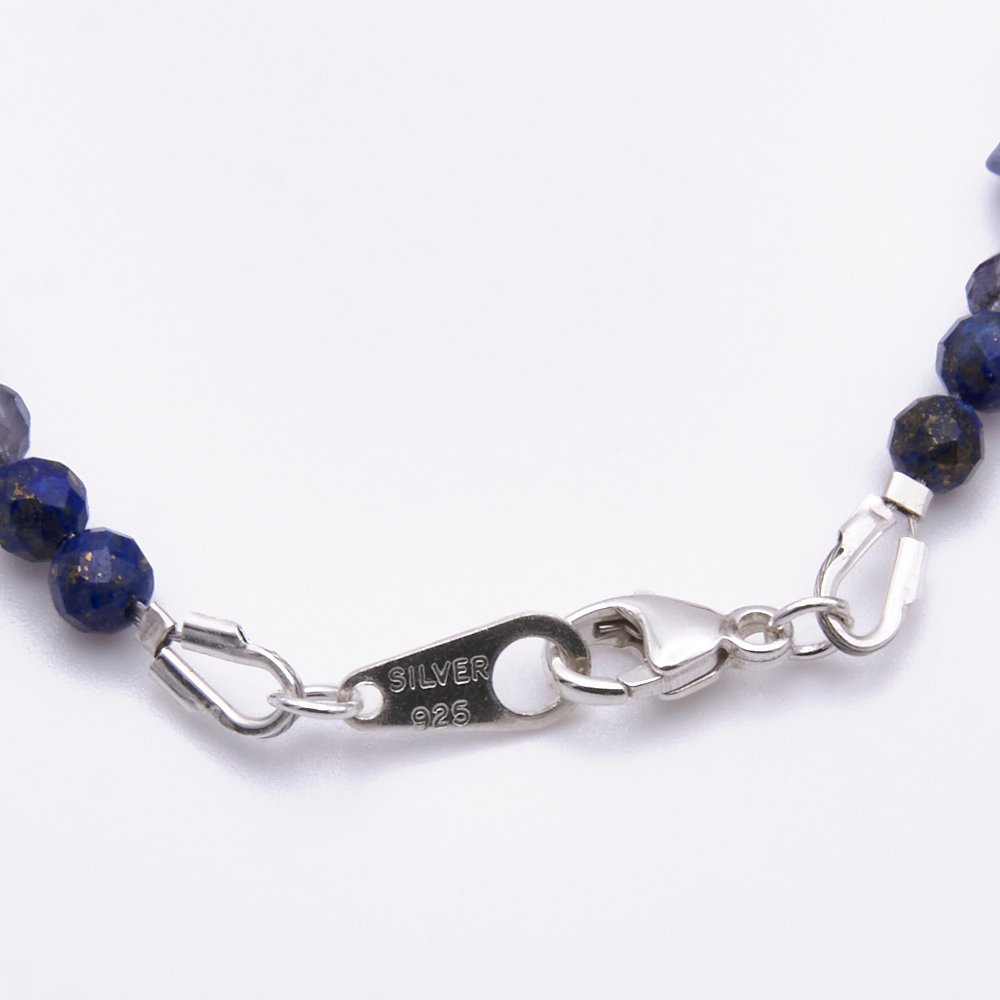
925 Sterling Silver
Almost all of the sterling silver used is recycled silver. Some components are made from mainly recycled silver, with a little new silver added where necessary. Please be aware that not all sterling silver is stamped 925 because elements below a certain weight are not required to be marked. Be assured though, that all the sterling silver used is genuine 925 sterling silver.
Occasionally, sterling silver plated metal is used and this will be clearly stated in the item description. All plated metals comply with the latest EU Nickel Directive regulations.
Gold Filled (Rolled Gold) and Gold Vermeil
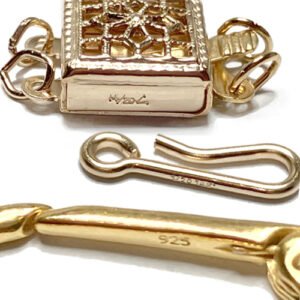
Gold Filled, also known as Rolled Gold, comprises a base metal, usually brass or copper, to which a thick layer of gold is mechanically bonded using heat and pressure. By law, any material described as Gold Filled needs to have a gold layer weighing a minimum of 5% of the total weight of the product. Gold Filled items are extremely durable due to the way the gold is applied to the metal and any items made using Gold Filled components are considered life-time or heirloom pieces. Gold Filled items will generally be marked either 14K GF, 1/20 GF or some combination of both, or may alternatively be stamped 1/10 10K GF, unless they are very small components such as jump rings, small clasps or fine chain, where it is impractical to attempt to stamp.
Gold Vermeil is a thick layer of gold, usually 18K (rose gold) or 24K (yellow gold), carefully layered onto sterling silver. It differs from standard gold plating because of the precious metal base and a thicker gold layer which makes it more durable. Where practical Gold Vermeil components are stamped 925, which is an indicator of the sterling silver base. Also used in some designs is 24k Gold Plated Sterling Silver, which is a thinner layer of gold on Sterling Silver. These pieces may also carry the 925 stamp because of the Sterling Silver base.
Raw brass and standard gold-plated metals are occasionally used and these details will be clearly stated in jewellery descriptions.
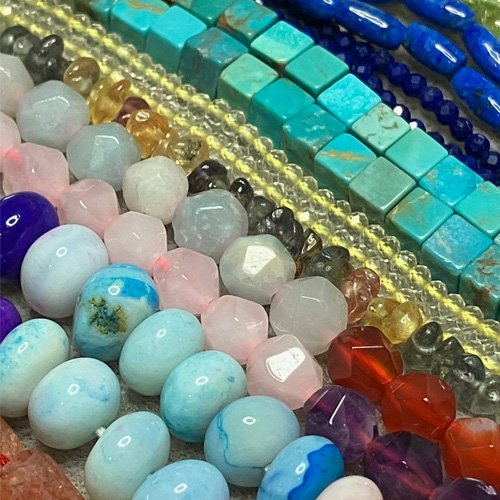
Natural Gemstones (and a few synthetic ones)
The natural gemstones used originate from countries all around the world and a growing number are purchased direct from small, family-run mines. The great variety of colours, textures and shapes that this provides, enables the creation of beautiful pieces of jewellery, many of the gemstone pieces being one-offs and therefore totally unique.
Occasionally, synthetic, lab-produced stones are used and this is clearly stated in the description of the piece.
Freshwater Pearls
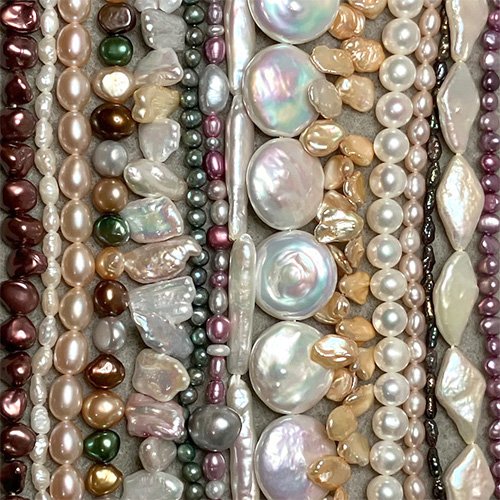
Freshwater Pearls come in all manner of shapes and sizes. They are mainly grown in disused rice paddies which have been excavated and flooded to create artificial lakes. There are strict laws regulating aquaculture to which pearl farmers must adhere. Many of the pearls used display natural colours, eg. white, ivory, peach, pale pink, etc. Where a pearl piece contains dyed pearls this will be stated in the description. The fact that some pearls are dyed does not detract from their value in any way, the process is safe and the dye is permanent.